
The Surprising Dietary Causes of Agonising Kidney Stones
As a urologist practising in Oxford & Birmingham for over 30 years, I’ve treated hundreds of patients with excruciatingly painful kidney stones. My goal is always to provide relief in the short term, but more importantly, to counsel patients on prevention to avoid recurrent stone episodes.
hrough my experience, I’ve found that diet is one of the most influential yet overlooked factors regarding kidney stone formation. I can’t count how often I’ve heard patients express surprise that seemingly harmless foods they ate regularly may have been causing their kidney problems.
Kidney Stone Surgery Birmingham Call 0121 798 0243
In this article, I’ll share the significant dietary culprits that I consistently see contributing to kidney stones in my Birmingham patients. I aim to raise awareness so you can make informed choices to prevent this aggravating and recurring condition.

Oxalate-rich foods are a Painful Culprit.
During my urology training, I learned that the most common kidney stones are composed of calcium oxalate crystals. Oxalic acid occurs naturally in many fruits, vegetables, nuts and grains Brits enjoy eating. The problem arises when excess oxalates bind to calcium and crystallise into jagged stones as the urine passes through the kidneys.
Some Birmingham patients I’ve treated have been unaware that their daily spinach salad or trail mix snacking habit likely contributed to their recurrent kidney stones. These foods are highest in oxalates:
- Spinach
- Almonds, cashews, peanuts
- Beetroot
- Rhubarb
- Strawberries and raspberries
- Chocolate (sorry!)
- Tea
To help patients reduce their likelihood of developing new calcium oxalate stones, I advise:
- Having spinach salads or silver beet no more than a few times per week
- Sticking to 25g portions of nuts per day
- Choosing lower-oxalate berries like blueberries more often
- Drinking tea in moderation
- Avoiding beetroot and rhubarb if you’ve had stones
The goal is balance – you needn’t cut these out comp
Too Much Salt Raises Kidney Stone Risk
Like many practising medicine in Birmingham, I see a lot of patients struggling with obesity and associated health complications like hypertension. A diet high in sodium is a frequent contributor.
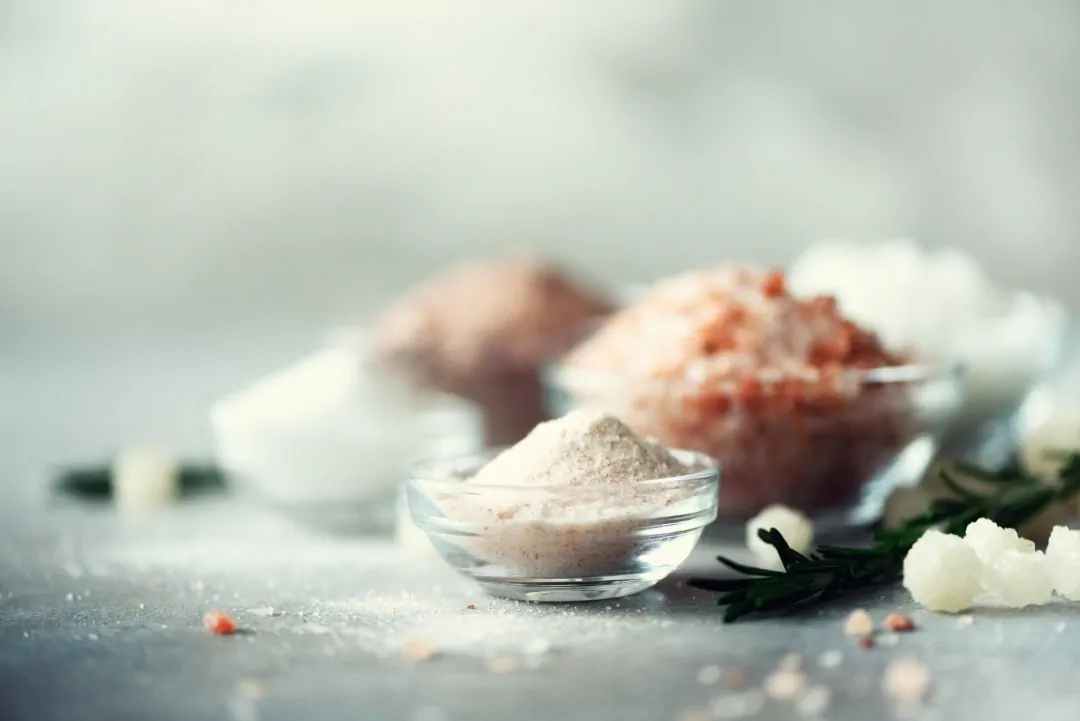
Many don’t realise that excess sodium intake also increases the likelihood of stone formation by promoting calcium excretion through the kidneys. The more calcium flushed out in urine, the more likely some will crystallise into stones.
Foods I see patients overconsuming that are loaded with sodium include:
- Fast food and ready meals
- Canned soups and veggies
- Condiments like tomato ketchup and brown sauce
- Bacon, processed meats
- Salted crisps, pretzels
To help mitigate excess sodium, I advise Birmingham patients to:
- Limit fast food to no more than once weekly
- Choose low-sodium versions of canned goods
- Use fresh herbs and spices to flavour foods instead of condiments
- Check labels and opt for low-sodium alternatives
- Prepare more meals at home
Even small reductions add up quickly to dramatically improve sodium intake and kidney stone risk.
Cut the Sweet Stuff to Avoid Stones
While most patients I see in Birmingham need to cut back on sodium, sugar is another big offender. Here’s what my urology training taught me about how excess sugar impacts kidney stone development:
The fructose found in table sugar, sugary drinks, packaged desserts and the like gets metabolised differently than other sugars, producing compounds that increase oxalate excretion in urine.
As we discussed earlier, more oxalates floating through the kidneys create the perfect environment for calcium oxalate crystals to form into stones. For this reason, I caution patients to limit added sugar.

Some of the worst sugar bombs I see patients overdoing include:
- Fizzy drinks
- Sweet biscuits, cakes and ice cream
- Cereal bars, sticky granola
- Fruit juices
- Flavored coffee drinks
For my kidney stone patients, I recommend:
- Sticking to water and unsweetened tea
- Avoiding packaged sweets
- Portioning dessert to twice weekly
- Reading labels closely for hidden sugars
- Eating fresh fruit in moderation
The less added sugar consumed, the lower the risk of developing another excruciating kidney stone.
Don’t Skimp on Calcium from Kidney-Friendly Foods
This may seem counterintuitive, but limiting calcium intake can trigger kidney stones. Here’s why:
When dietary calcium is low, more oxalate gets absorbed in the digestive tract instead of flushed out. As we’ve discussed, oxalate is a crucial component of kidney stones. So, getting enough calcium helps block oxalate absorption.
To get adequate calcium while avoiding oxalate-rich sources, I recommend my Birmingham patients focus on:
- Low-fat milk, yoghurt and cheese
- Tinned sardines or pink salmon with bones
- Fortified plant kinds of milk and juices
- Kale, bok choy and other greens (not spinach)
- Calcium-fortified cereals and foods
A diet with adequate calcium from suitable sources goes a long way towards preventing recurrent kidney stones.

Hydration Helps Flush Kidneys and Avoid Stones
During my urology training, I learned that urine dilution is key to preventing crystallisation that forms kidney stones. When patients don’t drink enough fluids, their urine gets very concentrated, allowing minerals to precipitate out.
Ensuring that my Birmingham kidney stone patients stay well-hydrated is a top priority. I advise them to:
- Consume 2-3 litres of fluids daily, mostly water
- Carry a bottle as a reminder to drink frequently
- Eat hydrating fruits and veg like melon and cucumber
- Monitor their pee – dark urine is a red flag
- Drink a glass of water with meals.
Adequate hydration is a simple yet effective way to flush the kidneys and prevent recurrent discomfort.
My Advice After Treating Countless Kidney Stone Sufferers
This article aims to raise awareness that many everyday foods Brits enjoy can secretly contribute to kidney problems, based on patterns I’ve observed while treating patients in Birmingham for decades.
The good news is that with some education and simple diet changes, you can prevent yourself from experiencing the recurring agony of kidney stones. I wish you the very best of health!
Topic: Diet causing kidney stones


